22 September – 31 October 2026
Born in 1954 in Bruck an der Mur, Austria, Erwin Wurm has established himself as one of Europe’s most prominent contemporary artists. He knew from a young age that he wanted to pursue an artistic career, though his father, a police detective, regarded artists with suspicion. Despite this, Wurm followed his calling and studied at the University of Graz, Mozarteum in Salzburg, and the University of Applied Arts in Vienna. He then went on to develop a practice that, since the 1980s, has consistently challenged and expanded the boundaries of sculpture. Wurm lives and works in Vienna and Limberg, Austria.
Over the course of his career, Wurm has continually reinvented his artistic language, forging a distinctive idiom of his own while working with and expanding on gestures inherited from both Pop Art and Conceptual Art. Combining the visual immediacy of everyday objects with conceptual investigations into perception, function, and the nature of sculpture, his works employ wit and irony to question how we experience both art and the world around us.
This expansive understanding of sculpture can be traced back to Wurm’s artistic formation. Although trained as a sculptor, this artistic trajectory was, by Wurm’s own account, not entirely a matter of choice. Enrolling at the University of Applied Arts in Vienna, he had hoped to become a painter but was instead placed in the sculpture department, and responded by testing the medium’s boundaries until he felt it to be his own. Yet Wurm has since expanded into painting as well; works he refers to as Flat Sculptures.
Wurm began his career producing sheet-metal works before moving toward abstract forms during the 1980s. Toward the end of that decade, he started incorporating clothing into his practice: trousers and sweaters, folded and hung in particular configurations, became soft, pliable sculptures in their own right. By 1989–90 he was working with a wider range of materials still, and video entered his practice alongside three-dimensional objects, further expanding what sculpture could be. In the 1992 video 59 Stellungen (59 Positions), a man and his sweater cycle through 59 different poses, an early demonstration of Wurm’s conviction that sculpture need not be a fixed, permanent object. This conviction would find its fullest expression in Wurm’s One Minute Sculptures, which he developed in the late 1990s. In these works, viewers are invited to assume absurd poses using everyday objects: balancing on chairs, placing flowers in their pants, or holding their breath while thinking of Spinoza. These brief, performative actions transform the body into sculpture, replacing the traditional static object with a temporal, interactive experience; sculpture fixed in neither time nor space. The One Minute Sculptures remain central to Wurm’s practice and have been featured at major venues, including the 57th Venice Biennale in 2017.
The absurd has long been one of the defining characteristics of Wurm’s practice. Oversized pickles, dancing sausages, distorted cars, and improbably balanced everyday objects are among the recurring protagonists of his sculptural world. The seemingly comic dimension of these works is rarely an end in itself. Rather, it emerges from a persistent displacement of ordinary perception, where subtle shifts in scale, function, or context expose the instability of what otherwise appears self-evident. This restless relationship to sculpture runs alongside a broader formative influence: Wurm’s childhood in Austria, shaped by a Nazi past that remained largely unspoken and by the culture of conformity that this silence and the postwar expansion of a numbing and amnesiac consumer culture produced. His works may thus be read, not as a commentary on Austria alone, but on broader mechanisms of social consensus. Humour, in this light, is less a means of making quips than the effect of a mode of perception: a consequence of approaching the world through an absurd, often paradoxical logic that allows the familiar to appear strange once again.
This strategy of estrangement is a constant of Wurm’s practice. By manipulating scale, volume, and proportion, he transforms everyday objects into uncanny sculptural forms that expose the social and psychological structures embedded within them. Clothing, furniture, houses, and cars become instruments for exploring how identity, possession, and social relations are shaped through our encounters with things. In the Fat Car series (2001–2019), Wurm transforms luxury vehicles into inflated, bubbly sculptures, while the related Fat House (2003), a bloated version of an ordinary house so swollen it presses into the ceiling of the museum housing it, invites visitors inside. In Narrow House (2010), by contrast, he narrows the width of his childhood home, a typical house in a postwar Austrian suburb, into a bizarre, elongated form.
Thus, there is undoubtedly a keen grasp of sociological dynamics at play in Wurm’s work. His Fat Car series, for instance, echoes Pierre Bourdieu’s theories on social distinction, suggesting that the inflated luxury vehicles expose how consumer goods function as markers of status and class; objects through which we perform social identity as much as we possess it. Similarly, the One Minute Sculptures may be interpreted as small experiments in social conditioning: by asking participants to adopt absurd poses on command, Wurm exposes our quiet, almost involuntary readiness to comply with arbitrary instructions. Read this way, Wurm’s sense of the absurd is not merely playful; it gently loosens the viewer’s guard, letting something more critical slip through.
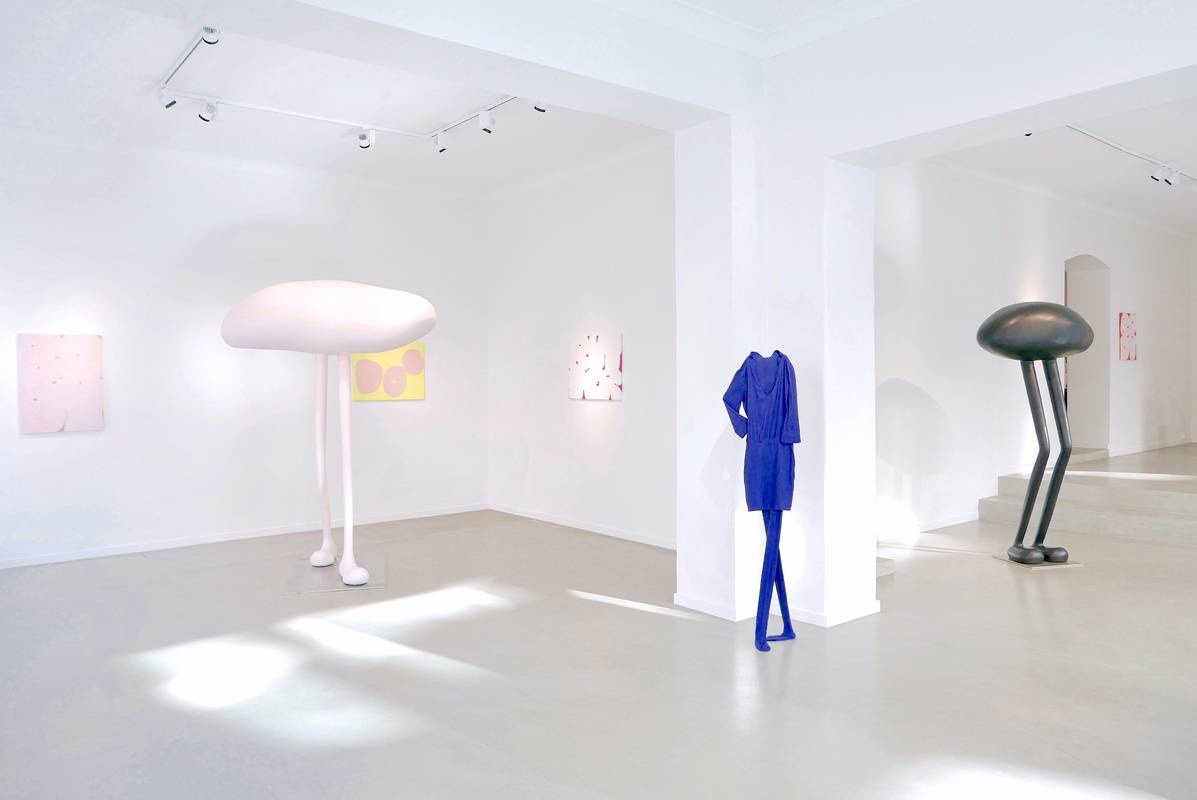
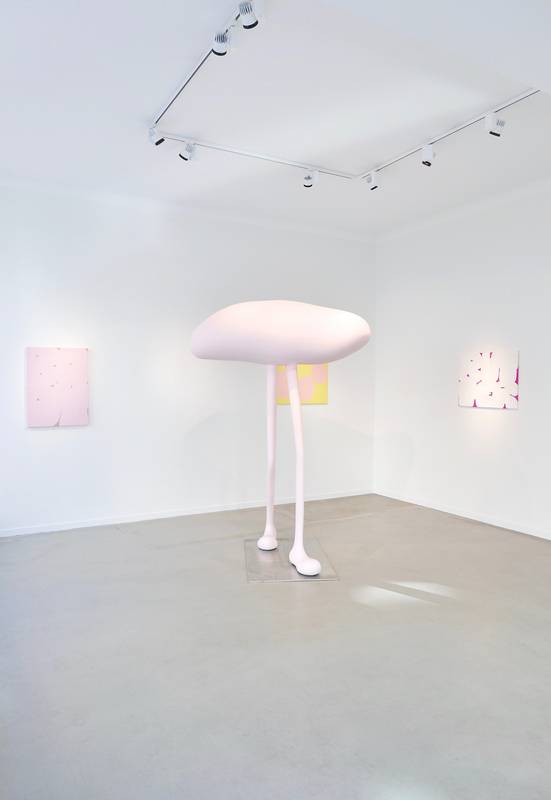
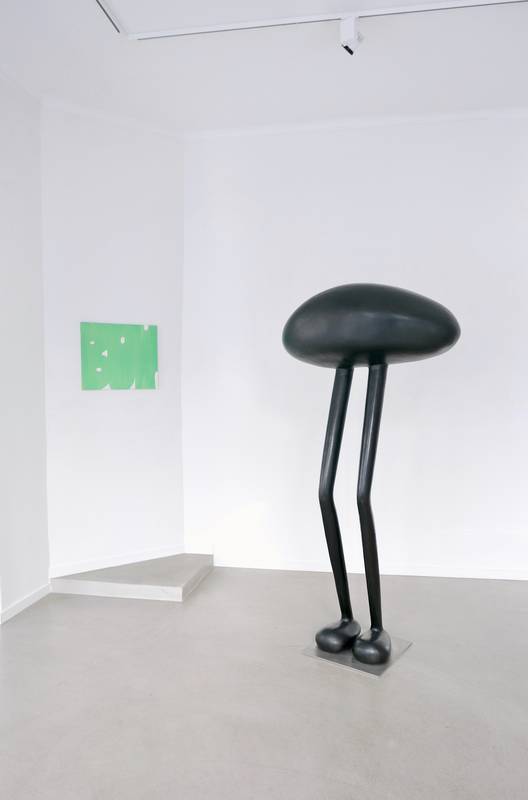
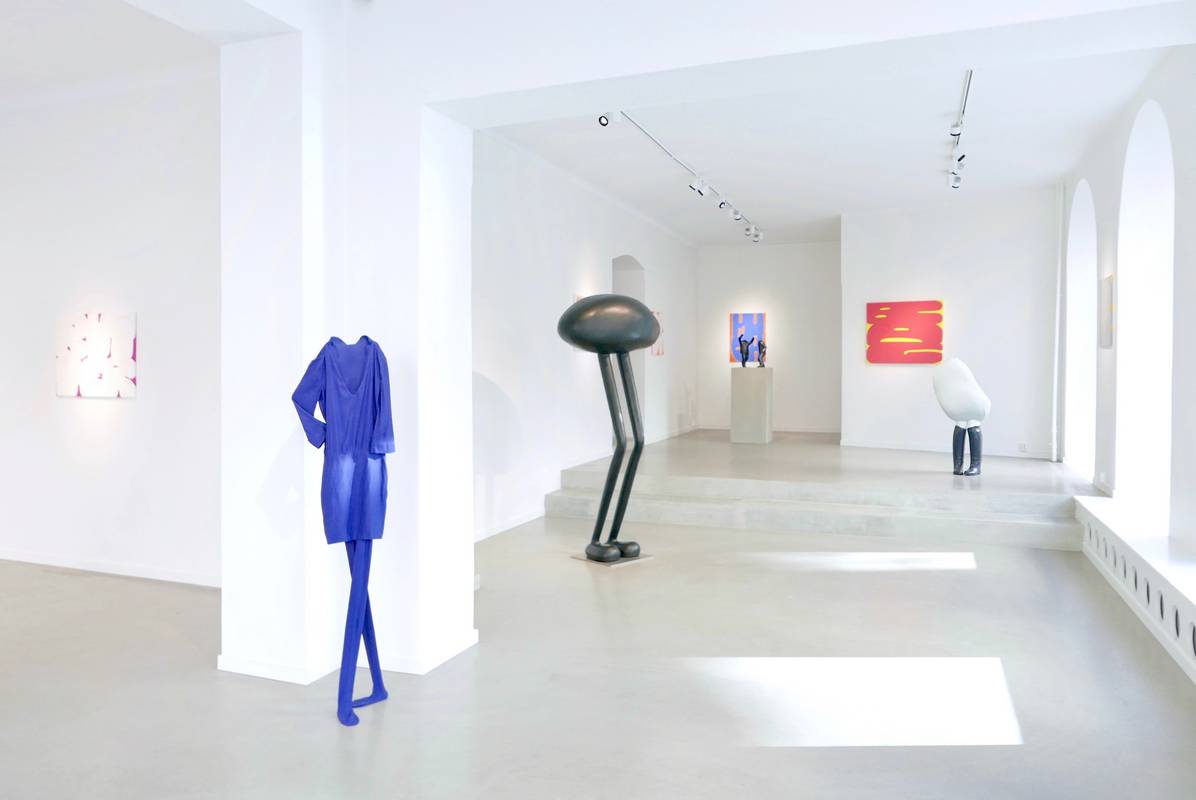
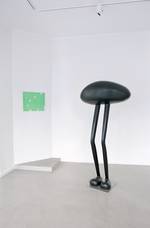
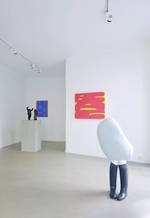
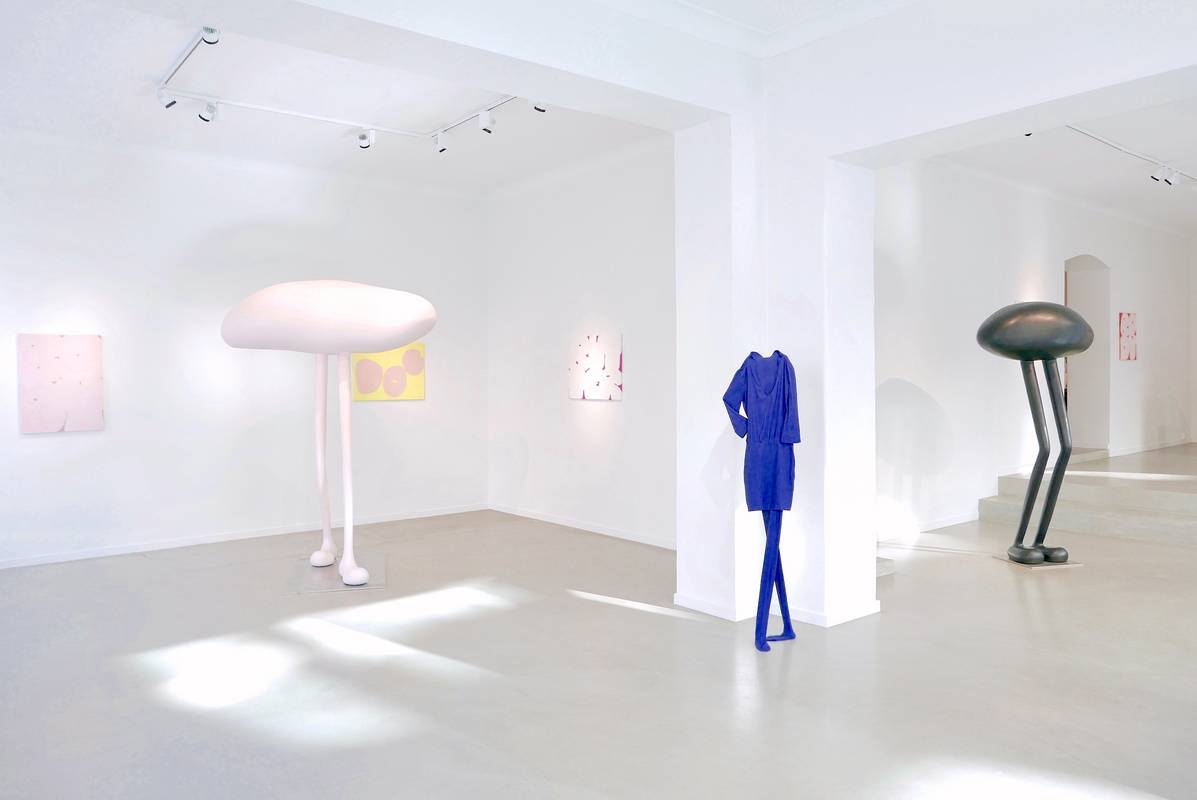
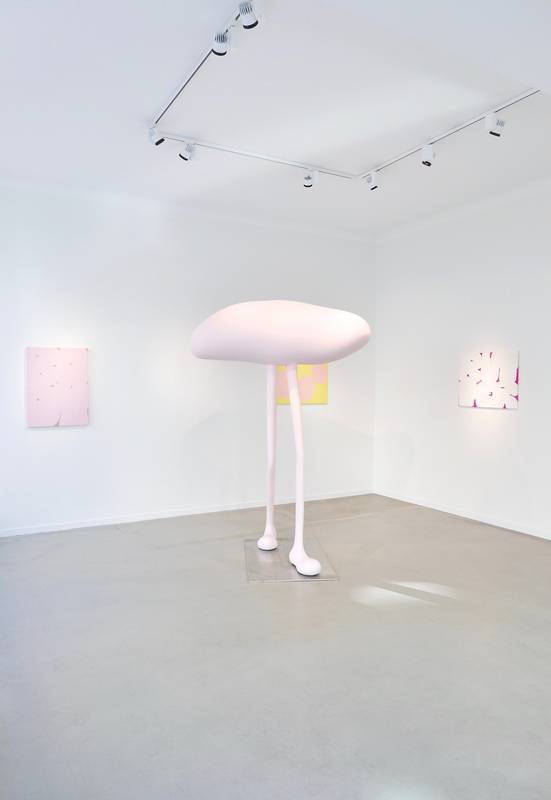
Wurm has long been engaged with philosophy and questions of subjectivity, exploring how identity, perception, and meaning are constructed rather than given. In the series Philosophers (2006–2018), he creates sculptural portraits of Ludwig Wittgenstein, Theodor Adorno, and Gilles Deleuze that examine the images and projections through which philosophers come to be imagined and remembered. In Discipline of Subjectivity (2006), a car is improbably balanced against a wall on nothing more than a marker pen. The work suspends the object between equilibrium and collapse, lending it an almost ontological uncertainty, as though its material existence rested on contingency rather than physical certainty. This destabilisation of the everyday recurs throughout Wurm’s practice, where familiar objects are stripped of their apparent self-evidence and made to oscillate between the absurd and the profound. The ongoing Mind Bubbles series, inspired by the visual language of comic books, extends these concerns into the realm of thought. Here, the thought bubble becomes a sculptural vehicle for ideas and words that enter the viewer’s mind without ever revealing their content. Like the One Minute Sculptures, the works rely on the viewer to be fully realised. But where the earlier series turns participation into a physical act, momentarily transforming the participant into a sculpture, the Mind Bubbles relocate that participation to the realm of imagination, inviting viewers to complete the work through acts of mental projection.
Across sculpture, photography, drawing, video, and text, Wurm’s practice is united by a sustained interest in the unstable relationship between body, object, and subjectivity. His works repeatedly challenge what appears fixed or self-evident, even in his own forms of expression, thus inviting viewers to continually reconsider both the material world and their own role in perceiving it.
Wurm’s work is held in major public collections including the Solomon R. Guggenheim Museum, Centre Pompidou, and Walker Art Center. He has received Austria’s Grand State Prize for Fine Arts (2013), the GNMH Award (2021), and an honorary doctorate from the University of Belgrade (2022). He is represented by Thaddaeus Ropac, Lehmann Maupin, and König Galerie.
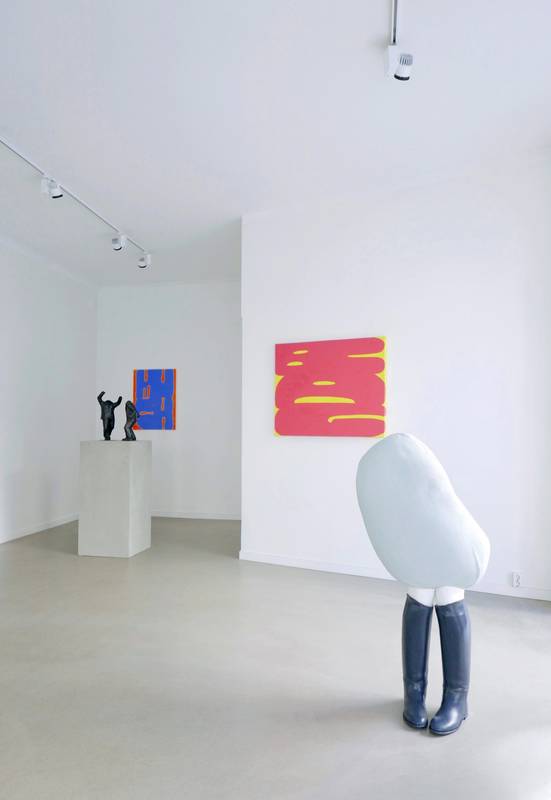
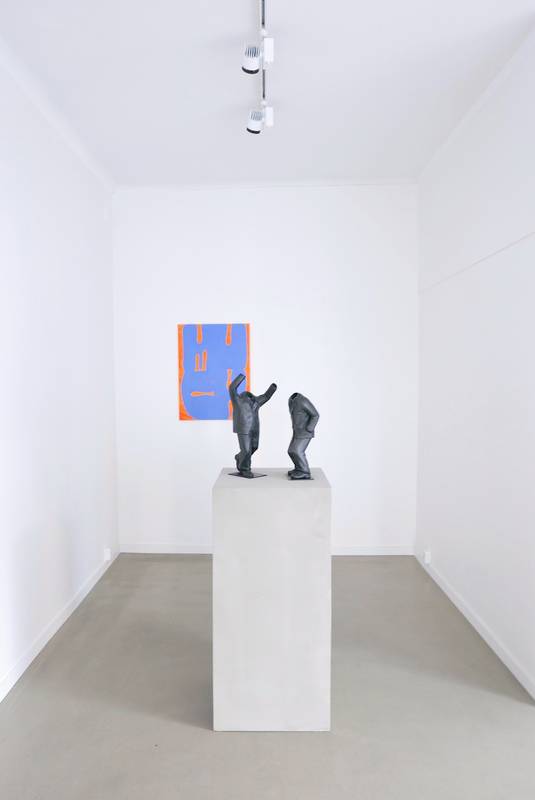
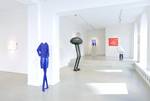
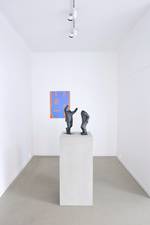
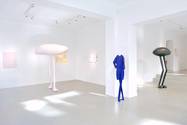
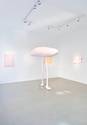
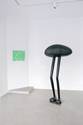
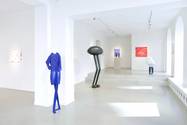
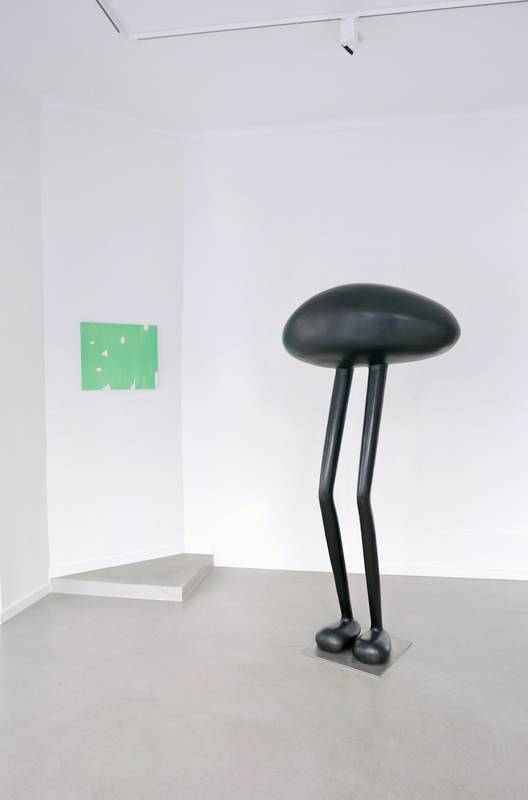
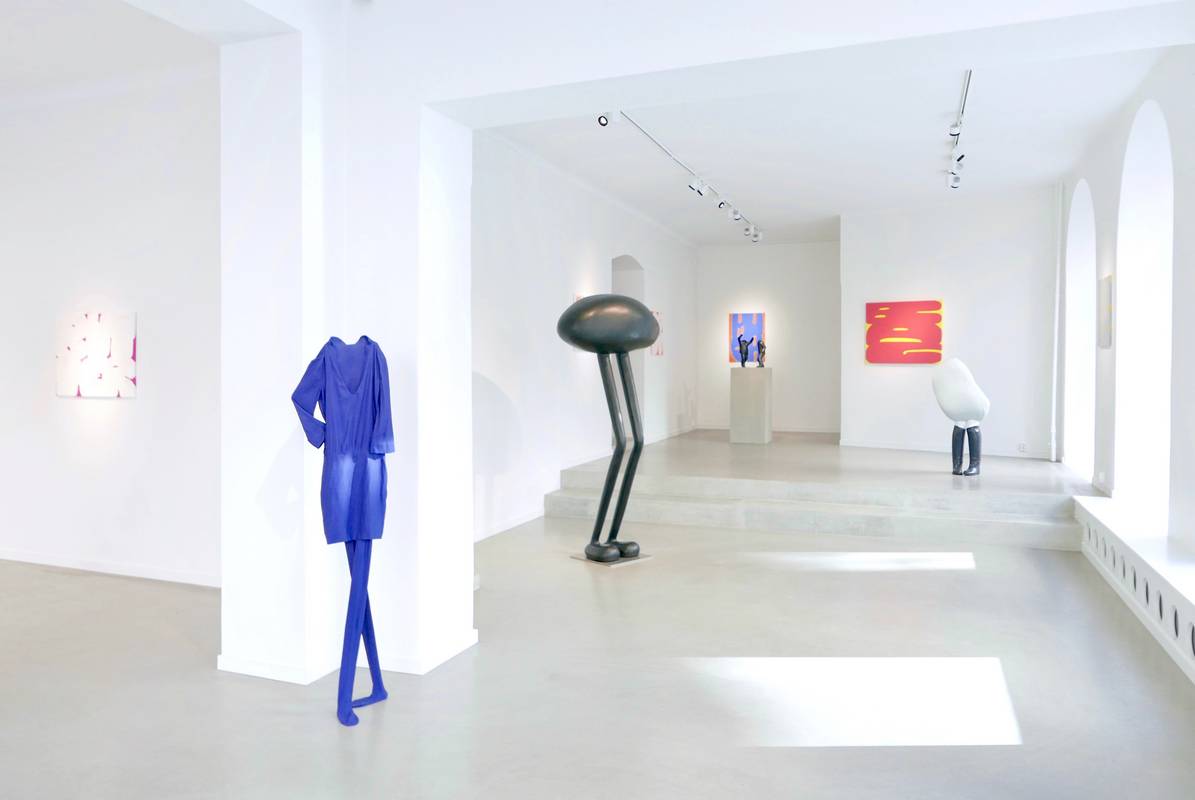
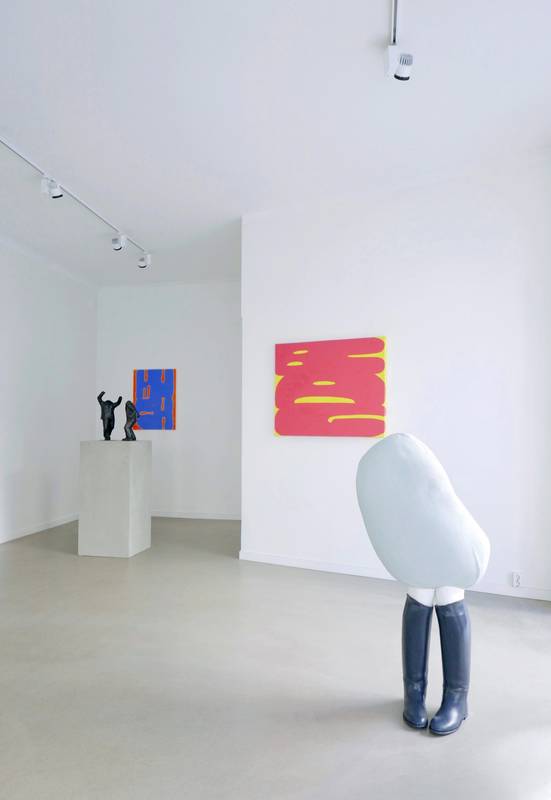
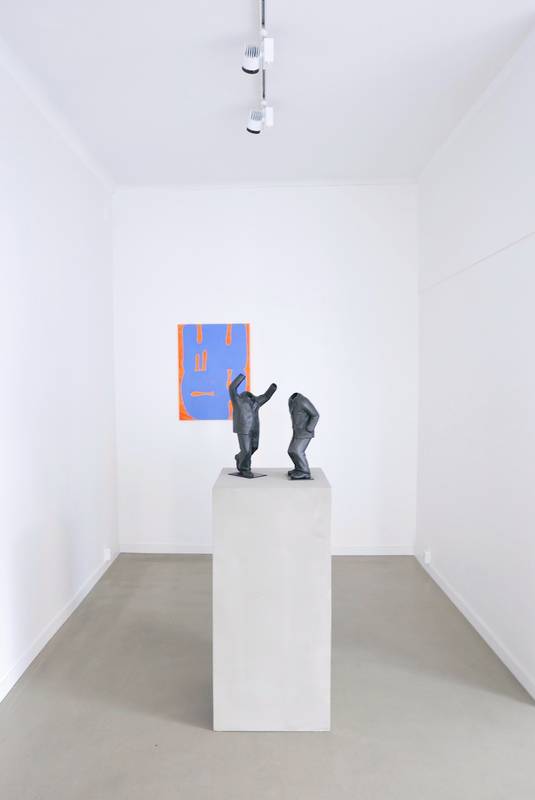
Mind Bubbles & More features larger, three-dimensional sculptures as well as recent paintings, Flat Sculptures. The Stockholm show follows solo exhibitions at institutions such as Camden Arts Projects, London, United Kingdom, Museo Fortuny, Venice, Italy and Flatz Museum – Zentrum für Photographie, Dornbirn, Austria, earlier in 2026.
The gallery publishes a catalogue on occasion of the exhibition which runs through 31 October.
More info on carlingdalenson.com