Erwin Wurm: Chamber Play with Jackson Pollock and Samuel Beckett, Austrian Cultural Forum, New York, USA 2026


06 October 2026 – 07 February 2027
Curators: Dr. Stephanie Buhmann and Dr. Gerald Matt
The Austrian Cultural Forum New York is pleased to present Erwin Wurm: Chamber Play with Jackson Pollock and Samuel Beckett, an exhibition that brings together three artists whose practices, though radically different, are rooted in deeply personal reflections on the human condition. As suggested by its title, Chamber Play evokes the intensity of a multi-faceted theatrical encounter, in which action, the testing of limits, the absurd, and existential complexities emerge as common threads.
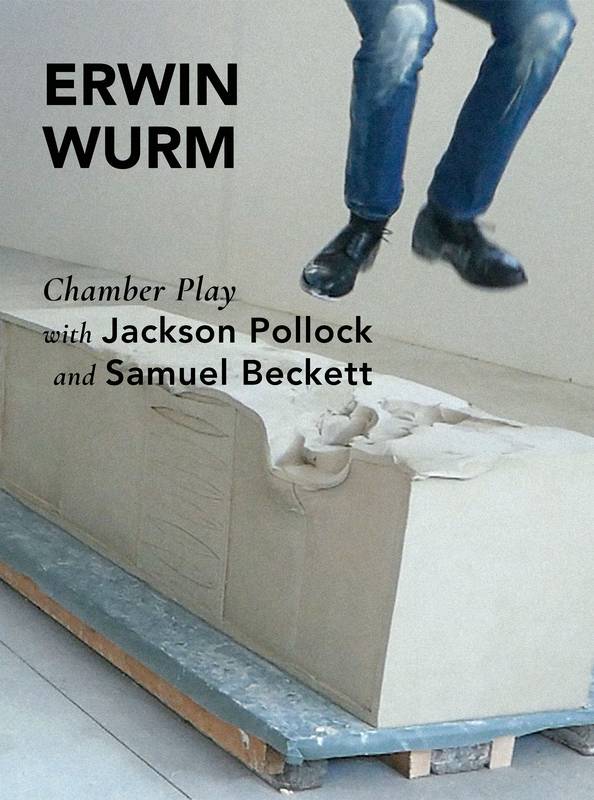
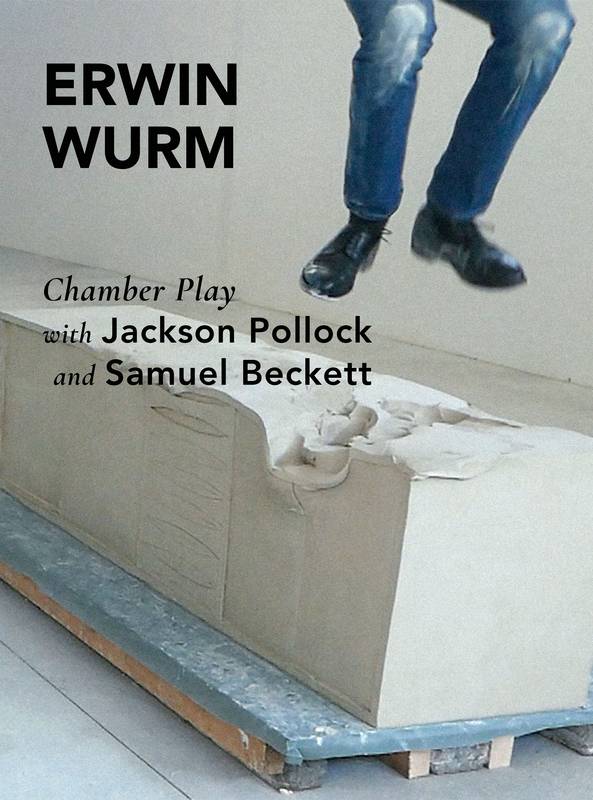
At the center of the exhibition is the work of Austrian artist Erwin Wurm (b. 1954). For almost five decades, he has challenged conventional definitions of sculpture while exploring the absurdity of everyday life and the fragile relationship between individuals and their surroundings. Through paradox, contradiction, and physical action, Wurm transforms familiar objects, gestures, and situations into moments of reflection and disruption. For example, his One Minute Sculptures invite individuals to follow simple instructions and create temporary, precarious compositions with their own bodies and everyday objects. In another body of work, his Performative Sculptures, recognizable forms derived from everyday objects or architectural elements are altered by the artist through performances carried out in the intimacy of his studio. Even upon completion, they preserve the physical traces of their making, revealing the instability of familiar forms and situations.
Indeed, the affinities between Erwin Wurm, Jackson Pollock (1912–1956), Samuel Beckett (1906–1989) arise from their shared engagement with the limitations of their respective mediums. For example, Pollock rejected the traditional easel and made the physical act of painting central to his work. By placing his canvases directly on the floor, allowing him to move around and within the composition, and using his entire body in rhythmic, gestural movements, he transformed his paintings into actual records of action, chance, and bodily energy. Beckett, meanwhile, disrupted the conventions of language and theater through silence, repetition, and fragmented actions, exposing the tensions between isolation, communication, and meaning. The characters in his plays often appear trapped within cycles of waiting and repetition. Wurm similarly expanded sculpture beyond the fixed object, using transformation, physical action and the repetition of gestures to question perception, identity, and the conditions of everyday life.
In addition to bringing together sculptures, films, photographs, and works on paper from across Wurm’s oeuvre, the exhibition features several works by Pollock, including a rare sculpture Stone Head, as well as works on paper, Hans Namuth’s 1951 film documenting him at work in his studio, and previously unseen archival material, including personal letters and family photographs. These are presented alongside screenings of Beckett’s groundbreaking television works produced for Süddeutscher Rundfunk (SDR, Stuttgart): Eh Joe (1966), his first television play, and Quad (Quadrat I + II) (1981), a wordless work exploring repetition, movement, and constraint through precisely choreographed actions.
Overall, Erwin Wurm: Chamber Play with Jackson Pollock and Samuel Beckett examines art as a space for confronting the complexities of human existence. At a moment when social cohesion is increasingly fragile and artificial intelligence challenges traditional notions of human creativity and presence, the exhibition asks enduring questions: What does it mean to be human, and how might our understanding of the human condition expand through art?
More info on acfny.org